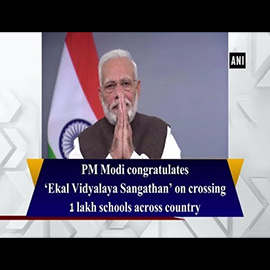
“The Ekal Abhiyan Trust helps 2.2 million children, among them the participation of girl child is more than 52 percent of the presently rolled out children – with the access to education. Many of its initiatives benefit tribal communities; all of its initiatives are a tribute to Mahatma Gandhi and his vision”
Shri Ramnath Kovind
Former President of India
Education is strong means to empowerment and Ekal Abhiyan Trust is working in remote areas, so that children from tribal families get the opportunity to study. The role in furthering women empowerment is laudatory. Congratulations to them for the Gandhi Peace Prize, 2017.
Shri Narendra Modi
Prime Minister of India
The little episode with boys and girls from an Ekal School gives you one little message, learning even arithmetic has to blend with lot of joy, dancing and singing and doing other things.
Smt Nirmala Sitharaman
Minister of Finance and Corporate Affairs, Govt of India
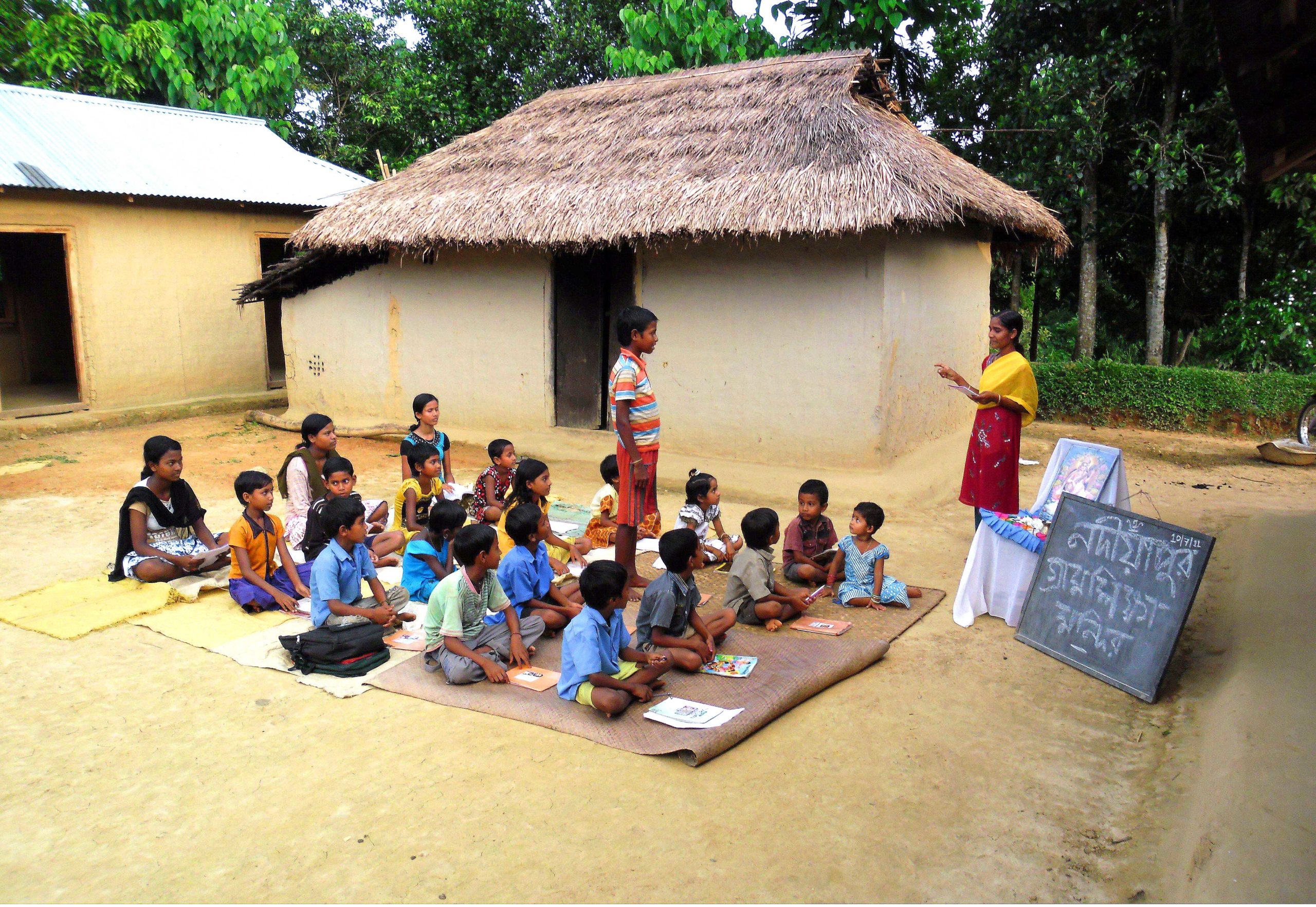
“I visited a village in Andhra Pradesh where I was invited to visit a One Teacher School- One Teacher taking class up to 5 to 10 students. I went there at 7 ‘0 Clock in the evening and it was a full moon night, the teachers got all the students outside with a blackboard and started explaining about the moon and the significance of the full moon…this is Creative Education, Creative Classroom, Creative Teacher and Creative Environment. This is the type of environment we should create”.
Dr APJ Abdul Kalam
Former President of India
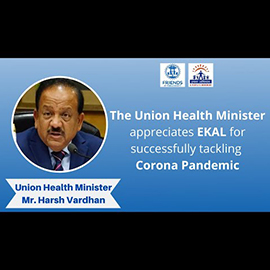
The Union Health Minister appreciates EKAL for successfully tackling Corona Pandemic.
Dr Harshavardhan
Union Health Minister
Since its inception I came to know about good work FTS is doing in tribal area. All of us have to do some daan & the greatest daan is Vidyadaan that is something which makes a life of a person meaningful and purposeful. I am so happy that FTS like a banyan tree is spreading its leaves far wide and lakhs of underprivileged children are having the benefit of education.
Late Dr (Smt) Prema Pandurang
Spiritual Personality, Founder & President of Samskriti
I am associated with FTS from its inception. Ekal Vidyalaya is lighting a lamp to curb the curse of illiteracy from thousands of tribal children across India. This is the highest form of service to nation in my opinion.
Sri Sajjan Bhajanka
Chairman Century Plyboard India
Such a huge organization serving more than 55,000 villages across India. The work FTS is doing is unique and needs to be supported. It’s about a way of life improving the quality of life for our future generation and clearly education is extremely important. Ekal Vidyalaya is a brilliant institution and they are doing such a great work. Prime Minister Narendra Modi also recognized this institution. We are extremely proud of our association and we are definitely going to make it a long run.
Sri Siddharth Jain
Director Inox Group
I have been participating in what work FTS is doing and I wish that everyone should participate in helping them to do what they have sought themselves to achieve.
Sri Kishore Biyani
Founder & CEO Future Group
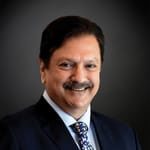
FTS is doing very humane service. First of all, it is dealing with tribals and adivasis who till now have been segregated from the main stream of Country. If India has to progress then we have to bring them into our main stream. If you believe that it is important that India grows then people have to take part in growth stories and education is the only mean for this growth.
Sri Ajay Parimal
Chairperson Piramal Group & Shivram Group
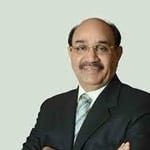
“I went for a Vanyatra in the Gumla Village of Jharkhand initially as a donor. I was so happy to see the children studying in FTS Schools with such concentration, dedication and was impressed with the work that FTS is doing. My association with FTS became deeper, I also served as the National President of FTS and now as a Patron”.
Sri Sajan Kumar Bansal
Managing Director of Skipper Limited
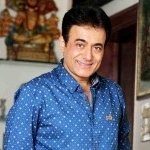
I am thankful to Ekal Parivar for giving me this opportunity to do some good Karma of giving back to the society. It is my duty to do this as this is the same society which made me what I am & continues to love & respect me. I am humbled by Ekal accepting me in its Parivaar
Nitish Bharadwaj
Actor









 Volunteer